

Have you ever noticed the word “countenance” while reading the Bible and wondered what it really means?
At first, it may sound like an old-fashioned word simply describing someone’s face. But in Scripture, countenance carries a much deeper meaning.
It can describe a person’s facial expression, emotional condition, inner state, dignity, favor, or even the way God’s presence is reflected upon someone.
Understanding the countenance meaning in the Bible can also become especially meaningful when the word appears in a dream or spiritual experience.
So, what does countenance mean biblically? And what could it mean when you dream about someone’s face, your own countenance, or a changed expression?
Let’s explore it through Scripture. ✝️
What Does Countenance Mean in the Bible?
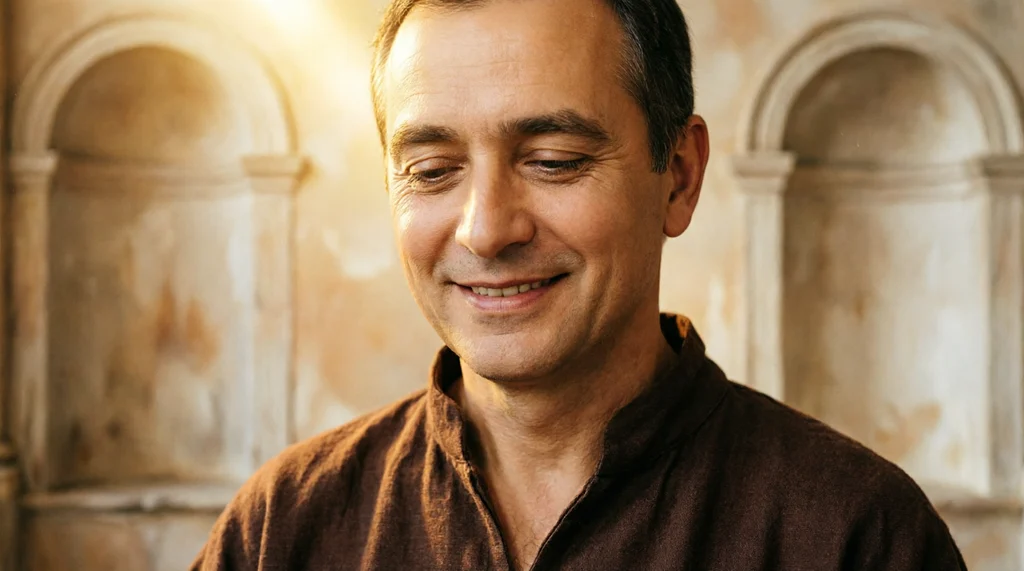
The word countenance generally means a person’s face, facial appearance, or expression.
However, biblical usage often goes beyond physical appearance. A person’s countenance can reveal something about what is happening within the heart.
For example, a joyful heart may produce a bright and pleasant countenance, while sorrow, fear, shame, anger, or discouragement may appear through someone’s facial expression.
In the Bible, countenance can therefore point toward emotion, character, condition, acceptance, rejection, favor, or spiritual atmosphere.
One of the clearest examples is found in the story of Cain and Abel.
“Why art thou wroth? and why is thy countenance fallen?” — Genesis 4:6
God noticed Cain’s fallen countenance before Cain committed the terrible act against his brother Abel.
This shows something important: the countenance can reveal what is happening inside a person.
The Biblical Meaning of Countenance
The biblical meaning of countenance can be understood through several connected ideas:
- The face or appearance of a person
- A person’s emotional condition
- Inner thoughts or feelings becoming visible
- Favor or acceptance
- Joy and spiritual confidence
- Sorrow, fear, shame, or discouragement
- The presence or blessing of God
The exact meaning depends on the Scripture passage and its context.
For instance, when Scripture speaks about God’s face or countenance shining upon His people, it communicates divine favor, blessing, protection, and relationship with God.
Numbers 6:24–26 says:
“The LORD bless thee, and keep thee:
The LORD make his face shine upon thee, and be gracious unto thee:
The LORD lift up his countenance upon thee, and give thee peace.”
Here, God’s countenance is connected with grace, peace, blessing, and His favorable presence.
Why Is Countenance Important in Scripture?

The face is often the first thing people see.
A person’s words can hide emotions, but facial expressions may reveal what the heart is carrying.
This is why the Bible sometimes uses the countenance as a picture of the condition of the heart.
A lifted countenance may suggest confidence, joy, restoration, or acceptance.
A fallen countenance may point toward sadness, disappointment, jealousy, guilt, anger, or discouragement.
But there is another beautiful dimension.
When Scripture speaks of God’s countenance, it points toward His attention and favor. The imagery of God’s face shining upon someone represents the comfort of knowing that God has not abandoned them.
7 Spiritual Meanings of Countenance in the Bible
1. Countenance Can Represent the Condition of the Heart
One of the strongest biblical ideas surrounding countenance is that the outward face can reflect the inward condition.
Cain’s countenance fell because something was happening inside him.
His anger and disappointment were becoming visible.
This gives us a valuable spiritual lesson: what lives in the heart often eventually appears in our behavior and expressions.
Proverbs 15:13 connects a merry heart with a cheerful countenance.
So, spiritually, countenance can represent what your heart is carrying.
2. A Bright Countenance Can Symbolize Joy
A pleasant or bright face can symbolize happiness, hope, peace, and emotional restoration.
This doesn’t mean every smiling person is spiritually joyful, nor does a serious expression automatically indicate spiritual problems.
Rather, biblical imagery often uses the face to communicate an inward condition.
If you dream about having a bright or joyful countenance, it may symbolize a season of renewed hope, encouragement, peace, or emotional healing.
3. A Fallen Countenance Can Represent Discouragement
A fallen countenance is directly mentioned in Genesis 4.
It can represent disappointment, sadness, rejection, anger, frustration, or wounded emotions.
If this imagery appears in a dream, it may encourage you to examine what has been weighing heavily on your heart.
Perhaps you have experienced disappointment and have not fully processed it.
The dream may not necessarily predict something bad. It could simply be bringing an existing emotional burden to your attention.
4. God’s Countenance Represents His Favor
One of the most beautiful biblical uses of countenance relates to God’s face shining upon His people.
The blessing in Numbers 6 connects God’s countenance with grace and peace.
This gives the word a powerful spiritual dimension.
When God’s countenance is described as shining upon someone, the picture is not merely physical. It represents God’s gracious presence, attention, blessing, and favor.
5. Countenance Can Symbolize Acceptance
The face can communicate welcome.
Think about the difference between someone looking at you warmly and someone turning away from you.
Biblical language sometimes uses this imagery to describe God’s relationship with people.
Therefore, countenance can symbolize acceptance, relationship, fellowship, or rejection, depending on the context.
6. Countenance Can Reveal Inner Conflict
Sometimes a person’s face reveals a struggle that words don’t express.
Cain is an important biblical example.
God recognized that Cain’s countenance had fallen and questioned him about his anger.
This teaches us not to ignore changes in our emotional and spiritual condition.
A troubling countenance can be an invitation to stop, pray, examine your heart, and bring your emotions before God.
7. Countenance Can Symbolize Spiritual Transformation
The Bible also presents the face as something that can reflect spiritual transformation.
When a person encounters God, the effect of that relationship can influence the way they live, speak, and appear to others.
A changed countenance in a dream could therefore symbolize renewal, maturity, restoration, confidence, or a new spiritual season.
But dream symbolism should always be tested against Scripture rather than treated as an automatic prophecy.
Countenance Meaning in Dreams: What Could It Symbolize?
Dreams about countenance can be particularly interesting because the face is connected with identity and relationship.
Seeing a face in a dream may represent the person themselves, your relationship with them, or something that person represents in your life.
However, there is no single biblical dictionary that gives a guaranteed meaning for every dream symbol.
The most responsible approach is to consider the dream’s details, your circumstances, your emotions, and biblical principles together.
Here are some possible scenarios.
Dreaming of a Bright Countenance
If you see yourself with a bright, peaceful, or joyful face, it may symbolize:
- Hope
- Restoration
- Joy
- Peace
- Confidence
- Encouragement
- A renewed outlook
It could be a reminder that your current circumstances do not have to determine the condition of your heart.
Dreaming of a Sad Countenance
A sad face may represent grief, disappointment, loneliness, emotional exhaustion, or an unresolved issue.
Rather than immediately assuming that the dream predicts sadness, ask yourself:
“What am I carrying emotionally right now?”
Sometimes a dream simply exposes something that needs healing.
Dreaming That Your Countenance Has Changed
A dramatic change in your appearance may symbolize a change in your emotional or spiritual condition.
For example, moving from sadness to joy could represent hope and restoration.
Moving from joy to sadness could encourage you to examine something that is stealing your peace.
The surrounding details matter greatly.
Seeing Someone With an Angry Countenance
An angry facial expression in a dream may represent conflict, resentment, fear, tension, or unresolved relationship issues.
It may also symbolize your own feelings toward that person.
Don’t automatically conclude that the person secretly hates you.
Instead, pray for wisdom and consider whether there is a real-life conflict that needs attention.
Seeing a Glowing or Radiant Countenance
A radiant face can have a particularly positive biblical association.
Scripture repeatedly uses the imagery of light, God’s face, glory, and divine favor.
If you dream of a radiant countenance, it may symbolize hope, spiritual encouragement, God’s presence, or a renewed sense of purpose.
Still, the interpretation should remain humble rather than claiming with certainty that God has given a specific prediction.
Dreaming of a Fallen Countenance
This is one of the strongest biblical connections because Genesis 4 explicitly describes Cain’s fallen countenance.
Such a dream may encourage you to examine:
- Jealousy
- Anger
- Disappointment
- Rejection
- Bitterness
- Unforgiveness
- Discouragement
The important lesson is not simply that the face looks sad.
It is that God cares about what is happening inside the heart before the problem becomes an outward action.
What Does It Mean When God’s Countenance Appears in a Dream?
Dreams involving God’s face or countenance can feel extremely powerful.
Biblically, God’s countenance is associated with His presence, favor, grace, peace, and relationship with His people.
Psalm 67:1 says:
“God be merciful unto us, and bless us; and cause his face to shine upon us.”
Psalm 80 also repeatedly uses the phrase asking God to “cause thy face to shine” as a plea for restoration.
Therefore, if someone dreams about God’s countenance shining upon them, one possible biblical theme is comfort, divine favor, restoration, or a desire for closeness with God.
However, it is important not to claim that every such dream is definitely a message directly spoken by God.
Scripture should remain the foundation for spiritual discernment.
What Does a Fallen Countenance Teach Us Spiritually?
Cain’s story gives us an important warning.
God noticed Cain’s emotional condition and asked why his countenance had fallen.
Cain had a choice about what he would do with his anger.
The tragedy is that he allowed jealousy and anger to grow until they resulted in violence against Abel.
The spiritual lesson is powerful:
A wounded heart needs attention before bitterness becomes behavior.
If you are experiencing anger, jealousy, rejection, or disappointment, bring it honestly before God.
Don’t allow a temporary emotional wound to become a permanent spiritual condition.
Bible Verses About Countenance
Several passages help explain the biblical significance of countenance.
Numbers 6:24–26
This famous blessing speaks about God’s face shining upon His people and connects His countenance with grace and peace.
Genesis 4:5–6
Cain’s countenance falls after his offering is not regarded favorably.
This passage connects countenance with anger, disappointment, and the condition of the heart.
Proverbs 15:13
The verse connects a joyful heart with a cheerful countenance.
It illustrates the relationship between inner joy and outward expression.
Psalm 4:6
The psalmist asks:
“LORD, lift thou up the light of thy countenance upon us.”
The imagery points toward God’s light, favor, and blessing.
Psalm 67:1
The psalm asks God to make His face shine upon His people.
Again, God’s countenance is connected with mercy and blessing.
Psalm 80:3
The repeated request for God to make His face shine is connected with restoration and salvation.
The Spiritual Message Behind Countenance
The deeper message of countenance in Scripture is that God cares about the condition of the heart.
He sees beyond appearances.
You may be able to hide your pain from people around you, but God knows what you are carrying.
Likewise, He knows when disappointment has turned into bitterness or when sadness has begun stealing your hope.
The biblical imagery of God’s shining countenance gives us the opposite picture.
It reminds us that we can seek His presence when we feel forgotten, discouraged, or spiritually tired.
God’s light is greater than the darkness surrounding you.
What Should You Do After a Dream About Countenance?
If you have recently dreamed about a face, changed expression, or God’s countenance, don’t panic.
Instead, take the dream to God in prayer.
1. Write Down the Dream
Record everything you remember.
Include the person’s identity, facial expression, location, colors, words, emotions, and what happened before and after the important moment.
Small details can change how you understand the dream.
2. Examine Your Heart
Ask yourself:
“What am I feeling right now?”
Are you joyful?
Discouraged?
Rejected?
Angry?
Hopeful?
Sometimes the dream reflects an emotional issue that needs your attention.
3. Compare the Dream With Scripture
Never allow a dream to become more authoritative than God’s Word.
If an interpretation contradicts biblical teaching, reject the interpretation.
Dreams should be approached with humility and discernment.
4. Pray for Wisdom
James 1:5 encourages believers to ask God for wisdom.
Instead of demanding an immediate interpretation, ask God to help you understand what is useful and what should simply be released.
5. Don’t Make Major Decisions Based Only on a Dream
A dream can feel incredibly convincing.
But feelings alone are not enough to establish God’s will.
Use Scripture, wise counsel, prayer, and sound judgment when making important decisions.
6. Focus on the Spiritual Lesson
Even if you never discover the exact meaning of a dream, you can still ask:
“What is God teaching me about my heart, my relationships, or my walk with Him?”
That question can lead to genuine spiritual growth.
Is Countenance Always a Spiritual Symbol?
No.
Sometimes countenance simply means face or appearance.
The Bible uses ordinary language in ordinary contexts.
Therefore, you should always examine the verse or dream context before assigning a symbolic interpretation.
This is especially important with dreams.
Not every dream is a divine message, and not every facial expression in a dream carries a hidden prophetic meaning.
Biblical wisdom involves both spiritual sensitivity and discernment.
FAQs:
What is the biblical meaning of countenance?
The biblical meaning of countenance generally refers to a person’s face or facial expression, but it can also communicate their emotional condition, favor, acceptance, or inner state. When referring to God’s countenance, it can represent His presence, grace, favor, and peace.
What does a fallen countenance mean in the Bible?
A fallen countenance can represent sadness, anger, disappointment, jealousy, or discouragement. Genesis 4:6 uses this expression when God addresses Cain after his offering is not accepted.
What does God’s countenance mean?
God’s countenance represents the imagery of God’s face turned toward His people. Biblical passages connect His shining countenance with blessing, grace, mercy, peace, and restoration.
What does it mean to dream about a person’s countenance?
Dreaming about someone’s countenance may relate to your relationship with that person, your feelings toward them, their role in your life, or an emotional issue represented by them. The meaning depends on the dream’s context and should not be treated as automatic prophecy.
What does a shining countenance mean spiritually?
A shining countenance can symbolize joy, peace, hope, favor, spiritual renewal, or God’s gracious presence. The imagery is especially meaningful because Scripture connects God’s shining face with blessing and peace.
Is every dream about countenance a message from God?
Not necessarily. The Bible records significant dreams, but that does not mean every modern dream is a direct revelation from God. Dreams should be evaluated carefully through Scripture, prayer, wisdom, and the circumstances of your life.
Final Thoughts:
The countenance meaning in the Bible goes far deeper than an old word for “face.”
It can reveal the condition of the heart, express joy or sorrow, and describe the favor and presence of God.
Cain’s fallen countenance reminds us to deal with anger and disappointment before they control our actions.
The blessing of Numbers 6 gives us an entirely different picture: God’s countenance shining upon His people with grace and peace.
So if you have recently dreamed about a face, a changed countenance, or God’s shining presence, don’t let fear control your interpretation.
Pause.
Pray.
Search Scripture.
Examine your heart.
And remember that the most important question isn’t simply, “What does this dream mean?”
It is:
“What is this experience teaching me about my relationship with God and the condition of my heart?”
When your heart is troubled, seek His presence. When you are discouraged, seek His peace. And when you feel forgotten, remember the beautiful biblical promise of God’s shining countenance.
May His face shine upon you, give you grace, and fill your heart with peace. ✝️
Discover more post:
| https://bibledreamz.com/circumcised-meaning-in-the-bible/ |
| https://bibledreamz.com/strife-meaning-in-the-bible/ |
| https://bibledreamz.com/indignation-meaning-in-the-bible/ |

Aeris is a passionate and creative content writer with over 5 years of professional experience in crafting engaging, meaningful, and reader-focused content. As a dedicated author at Bibledreamz.com, Aeris specializes in producing inspiring, thoughtful, and spiritually uplifting articles that connect deeply with a wide audience.
3 thoughts on “Countenance Meaning in the Bible: The Powerful Spiritual”